

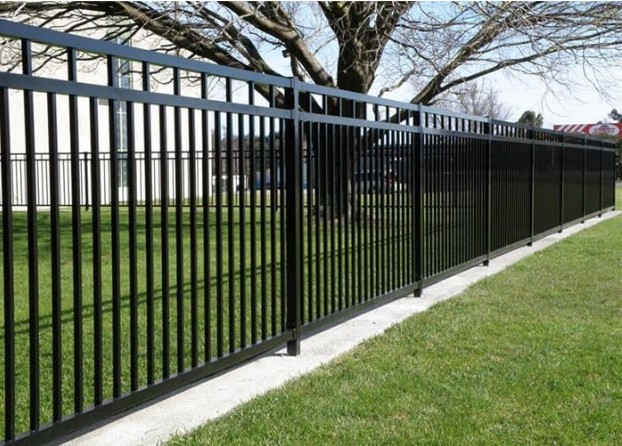
In today’s competitive business environment, the safety and appearance of retail and office spaces play a crucial role in attracting customers and maintaining a professional image. One effective way to enhance both security and aesthetics is by installing commercial fences. These fences offer more than just a barrier; they provide a combination of protection, privacy, and visual appeal that benefits businesses in multiple ways.
Enhanced Security And Safety With Commercial Fences
One of the primary advantages of commercial fences is the increased security they provide. Retail stores and office buildings are often targets for theft, vandalism, or unauthorized access. A well-installed commercial fence acts as a physical barrier, making it more difficult for intruders to enter the property. This added layer of protection helps safeguard valuable assets, equipment, and confidential information, giving business owners peace of mind. Additionally, fences can guide the flow of foot traffic, reducing the risk of accidents and ensuring a safer environment for employees and visitors.
Improved Privacy
Privacy is another important consideration for businesses, especially in office complexes or retail spaces located in busy areas. Commercial fences can help create a clear boundary between the business premises and the public, minimizing distractions and unwanted attention. For offices, this means employees can work without constant interruptions or prying eyes, which can boost productivity and focus. In retail settings, privacy fencing can create designated areas for deliveries or employee access, keeping operations organized and professional.
Aesthetic Appeal And Brand Image
Beyond security and privacy, commercial fences also enhance the visual appeal of a property. A well-designed fence can complement the architecture of a building, landscaping, and overall design theme, creating a polished and professional look. For retail businesses, an attractive fence can serve as an extension of the brand, making the storefront more inviting to customers. Similarly, office spaces benefit from commercial fences that convey a sense of organization and care, which can positively influence clients, partners, and visitors.
Durability And Low Maintenance
Commercial fences are typically constructed from strong and durable materials, such as steel, aluminum, or high-quality wood. These materials are designed to withstand weather conditions, daily wear, and potential damage. As a result, businesses enjoy long-term benefits with minimal maintenance requirements. Durable commercial fences reduce the need for frequent repairs or replacements, which saves time, money, and effort for property managers.
Flexibility And Customization
Another benefit of commercial fences is their versatility. Business owners can choose from various styles, heights, and materials to match their specific needs. Whether a company requires a high-security perimeter or a decorative fence to enhance curb appeal, commercial fences can be customized accordingly. This flexibility ensures that the fence not only serves a functional purpose but also aligns with the business’s aesthetic and operational goals.
Conclusion
Commercial fences provide a valuable combination of security, privacy, aesthetic appeal, and durability for retail and office spaces. They help protect assets, maintain a professional image, and create an organized environment for both employees and visitors. By investing in the right commercial fence, businesses can enjoy long-term benefits that enhance safety, appearance, and overall functionality. For any business looking to improve its property, commercial fences are a practical and effective solution.