

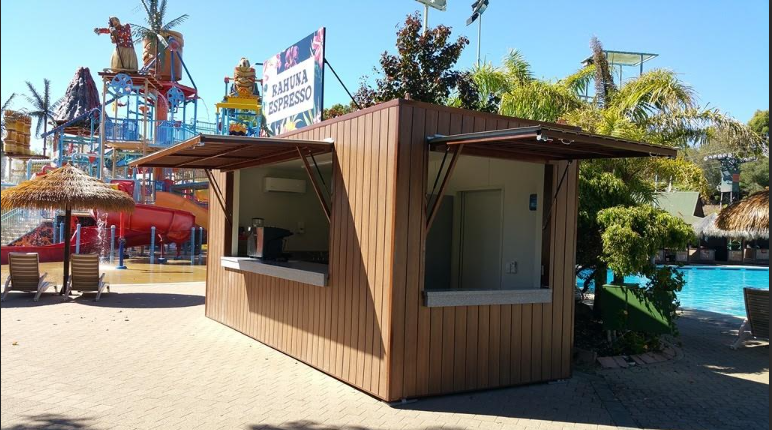
Shipping containers are no longer just for freight transport. They’ve become a modern design material for architects, entrepreneurs, and homeowners looking to create bold, functional spaces. One of the most creative uses of these containers is in bar design, offering a mix of portability, sustainability, and industrial charm that traditional structures can’t match.
Whether it’s for a backyard hangout, a mobile pop-up, or a full-fledged commercial venue, shipping containers offer endless design opportunities.
Why Shipping Containers Are Perfect for Bars
A shipping container’s structure makes it ideal for quick builds and modular layouts. The steel frame provides natural durability, while the compact shape allows for efficient use of space. But practicality aside, the appeal lies in their aesthetic flexibility.
Key Advantages
- Affordability: Repurposing containers often costs less than traditional construction.
- Mobility: Containers can be relocated easily, making them perfect for pop-up events or festivals.
- Sustainability: Reusing containers reduces waste and supports eco-conscious building.
- Speed of setup: A container bar can be operational in weeks rather than months.
- Custom design: Builders can modify walls, windows, and doors without compromising strength.
Businesses seeking to understand the process in depth can explore the full guide on how to plan, build, and customize a container bar in the Everything You Need to Know About Shipping Container Bars Guide.
Creative Design Ideas for Shipping Container Bars
Turning a steel box into a stylish, welcoming space requires imagination. Here are some design concepts that balance function with creativity.
1. The Backyard Social Hub
A single 20-foot container can transform into a private outdoor bar complete with a serving window, built-in shelving, and a small fridge. Add string lighting, stools, and a decked patio area to create a relaxed environment that feels like a private retreat.
2. The Festival Pop-Up
At music festivals or seasonal markets, container bars shine. They’re easy to transport, quick to install, and can be branded for a unique look. Many vendors add rooftop seating, fold-down counters, and colorful murals to stand out from the crowd.
3. The Rooftop Bar
Urban venues often use containers to create elevated lounge spaces. Their compact structure makes them ideal for rooftops where weight and space are limited. A combination of glass walls and open decks creates a panoramic experience for guests.
4. The Beachfront Chill Spot
Coastal bars built from containers blend perfectly with their surroundings. With rust-resistant coatings and open-air designs, these spaces invite natural ventilation and seaside charm.
5. The Double-Deck Showpiece
Stacking two containers can double the usable area, creating both a serving bar and a lounge above. The top level can feature open seating or a DJ booth, making it ideal for high-traffic events.
Design and Engineering Considerations
While containers are structurally strong, proper planning ensures safety, comfort, and compliance.
1. Insulation and Ventilation
Metal containers can trap heat. Insulation materials such as spray foam or insulated panels help maintain temperature control. Ventilation fans or open windows support airflow, especially in warmer climates.
2. Electrical and Plumbing
Installing wiring for lighting, refrigerators, and sound systems requires a licensed electrician. Similarly, if the bar serves beverages requiring water, proper plumbing and drainage systems must be included.
3. Structural Modifications
Cutting large openings for doors or windows must be done carefully to maintain the container’s strength. Reinforcing frames and welding supports where needed is essential.
4. Permits and Zoning
Container bars whether mobile or fixed often require local council approval. Regulations vary by region, so verifying building codes and safety requirements early prevents costly changes later.
Popular Use Cases for Container Bars
Event Venues and Festivals
Event organizers love the mobility of container bars. They can be transported between sites and reused for multiple occasions, from music festivals to food markets.
Breweries and Distilleries
Many craft beverage brands use container bars for brand activations. They’re a perfect fit for showcasing products in unique outdoor settings.
Resorts and Campgrounds
Outdoor hospitality venues often use containers to create self-contained serving points, keeping the focus on customer experience while blending with natural surroundings.
Backyard Projects
Homeowners seeking to elevate outdoor entertaining often start with a small single container converted into a mini bar, equipped with stools, shelving, and a tap system.
Eco-Friendly Container Bar Concepts
Sustainability continues to shape modern construction. Using upcycled shipping containers for bar projects reduces the demand for new materials. Combined with eco-friendly additions, these builds become both stylish and responsible.
Sustainable Design Features
- Solar panels to power lighting and refrigeration
- Reclaimed wood for counters and furniture
- LED lighting to reduce energy consumption
- Rainwater collection systems for non-potable uses
- Biophilic design using greenery for aesthetics and cooling
Beyond aesthetics, such choices align with growing consumer demand for businesses that value environmental responsibility.
How to Source the Right Shipping Container
Choosing the right container impacts the final design and longevity of the structure.
Condition Grades
- New or One-Trip: Best for long-term installations. Minimal wear ensures easy modification and a clean look.
- Used (Cargo-Worthy or Wind and Watertight): Cost-effective for short-term projects or rustic aesthetics.
Size Options
Most bars use 20-foot or 40-foot containers. A 20-foot container suits compact or mobile setups, while 40-foot models offer room for storage, seating, and full bar equipment.
Supplier Selection
Working with a trusted supplier ensures quality and compliance. Look for companies that provide inspection certificates, delivery logistics, and modification options to streamline the process.
Marketing and Branding Ideas for Container Bars
A well-designed container bar draws attention naturally, but branding completes the experience.
- Exterior Design: Use bold color schemes, murals, or LED signage.
- Name and Theme: Create a concept that matches your audience beach bar, speakeasy, or industrial chic.
- Lighting: Ambient and accent lighting define the atmosphere and highlight your brand.
- Social Media Hooks: Interactive murals or branded backdrops make your bar a favorite photo spot.
Successful bar setups often use storytelling turning a metal container into a recognizable, Instagram-worthy destination.
Real-World Examples
- The Little Red Container (Melbourne): A 20-foot converted unit that became a full-service bar at festivals, known for its simple yet striking design.
- Pop Up Bar Perth: A modular setup used at events across Western Australia, offering flexibility for local breweries and distillers.
- The Shipping Yard Bar (Sydney): A semi-permanent structure made of stacked containers featuring upper-level seating and ocean views.
These examples show that creativity and smart design can turn functional steel structures into standout social spaces.
Final Thought
Shipping container bars represent innovation, sustainability, and flexibility in hospitality design. They make it possible to create venues that are both mobile and memorable, perfectly suited for today’s dynamic event and entertainment scene.
For anyone planning to design or install one, exploring professional resources and guides will ensure safety, compliance, and style are balanced throughout the project.
